
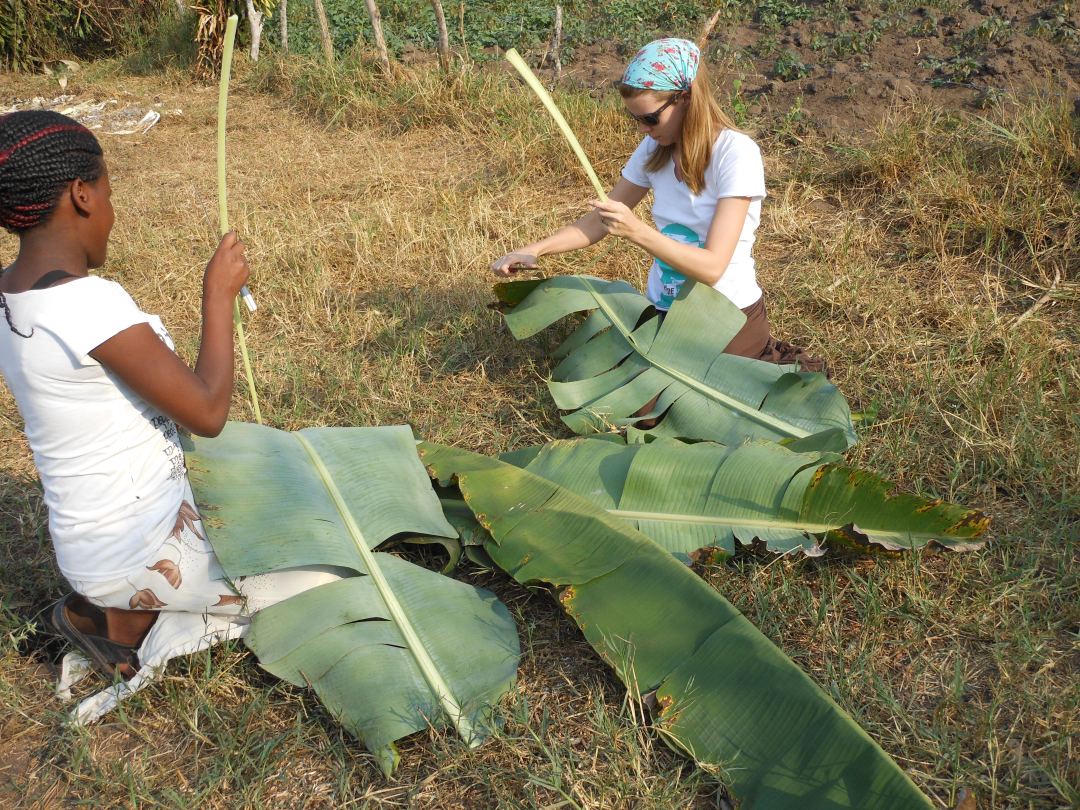
Nutrition in Uganda is an ongoing issue. Leslie spent most of her time completing fieldwork for her master’s thesis about traditional diets and health beliefs in Uganda.
With a goal of showing how traditional diets are healthy for local contexts and that traditional health beliefs and food practices contribute to healthy living, Leslie immersed herself into all things food-related in a small village in Uganda. She wanted to show that nutrition in Uganda is more than just what people eat, but what they also know about food.
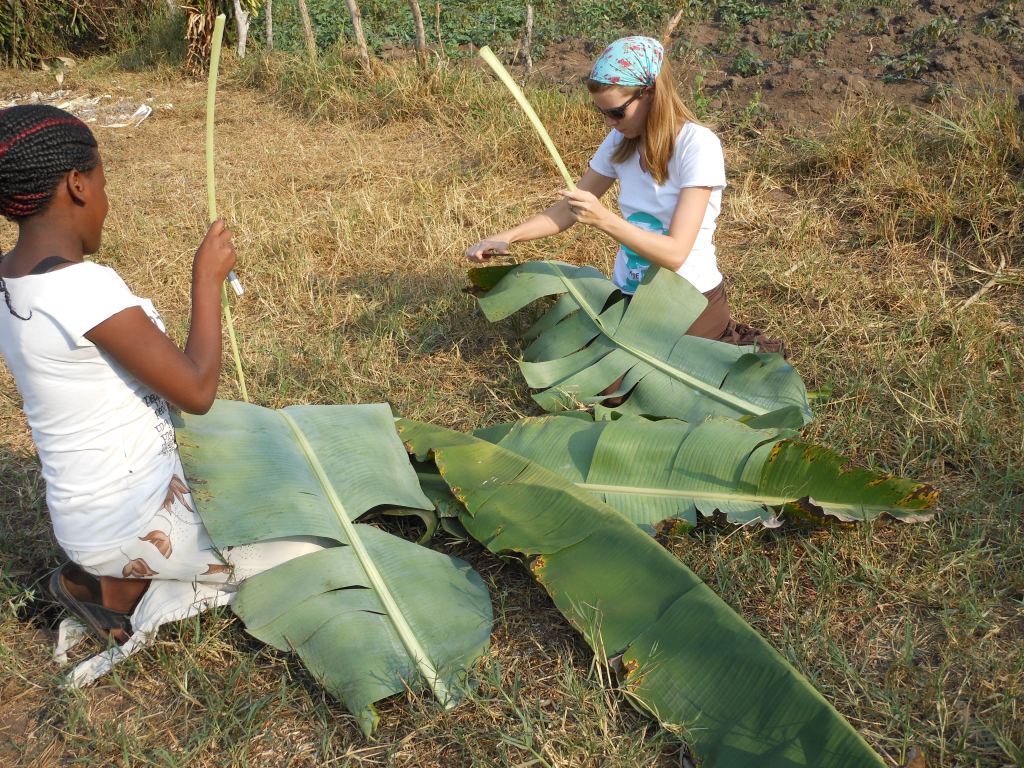
In the morning she worked in gardens alongside families, planting and harvesting crops, meanwhile asking questions about what they eat, what they believe sustains health, and how they prepare foods. In the afternoon she would return to the same family and cook meals with them, continuing the conversation about health beliefs and food practices.
Through her fieldwork, she discovered that the Ugandans had a well-developed health belief system that accurately reflected what is known in scientific nutrition, albeit with a Ugandan twist. In terms that they described as building blood and losing blood, Ugandans described foods that contributed to building blood– such as nutrient dense vegetables and animal products– and causes of losing blood, such as a strong illness or inadequate diet. Without having the same background and nutrition education that exists in Western health education, Ugandans understood how good food contributes to good health.
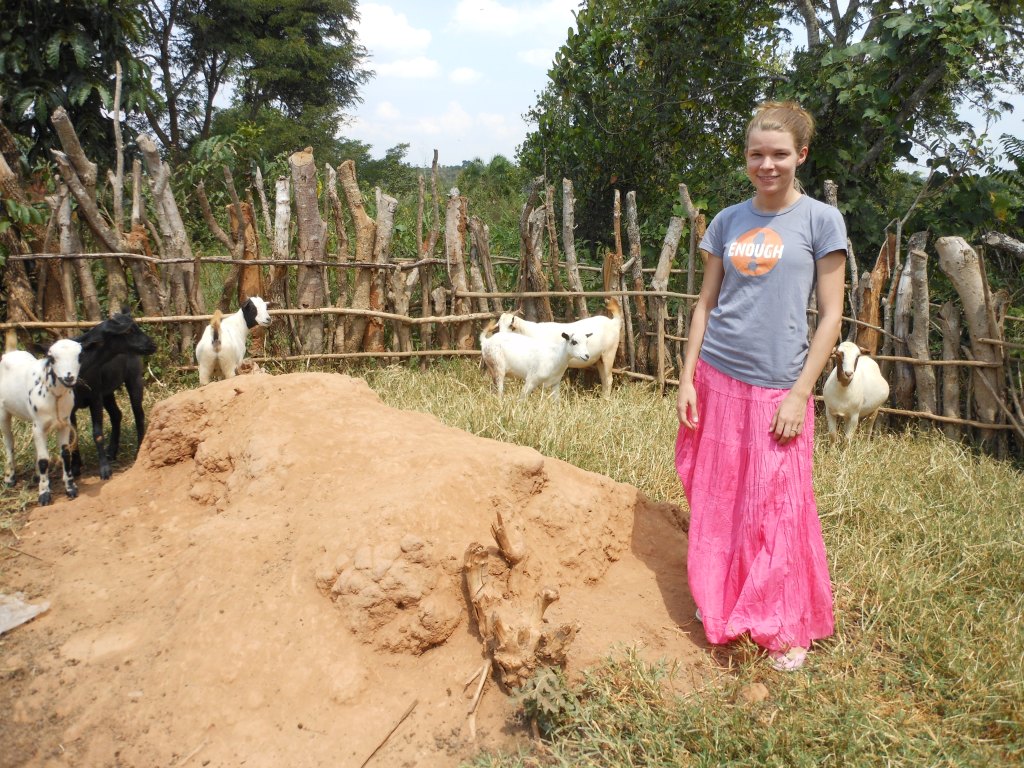
Leslie used this health belief system, backed up by Western nutrition science, to show nonprofit organizations the importance of using traditional beliefs and contexts for health education. In other words, to teach nutrition in Uganda, organizations should use local language and beliefs to teach it. Rather than importing foreign concepts that may not have the same meaning or significance, Leslie argued that health educators should take the time to incorporate traditional health beliefs into their education, in order to gain trust and confidence in the community, as well as to have more effective messaging.
This was the basis for the methodology she used in Benin as well.
 Fulcrum Missions