
Why a Mission Project in Nicaragua?
Many Nicaraguans face poverty, unemployment, and underemployment. They choose to seek employment in more stable environments with greater opportunities. Traditionally this has meant undocumented migration to Costa Rica, their southern neighbor, to work on farms in jobs that Costa Ricans do not want. But these days, more and more Nicaraguans have their eyes set on the US to work and support their families.
It is not an easy decision to choose to migrate, and it is a decision that people do not take lightly. But between the choice of not working, working too little, or working too temporarily to provide for their families, it is worth the risk of the dangerous migration route.
But people do not want to leave their families. They want to stay in Nicaragua. They love their country, their culture, their community, and their family. So, when we went to Nicaragua to ask what kind of mission project would be most helpful to them, the answer was very clear: they wanted help with jobs. As we strive to work in ways that are led by the community, we knew that this was something we needed to address in our mission project.
Economic Empowerment in Nicaragua
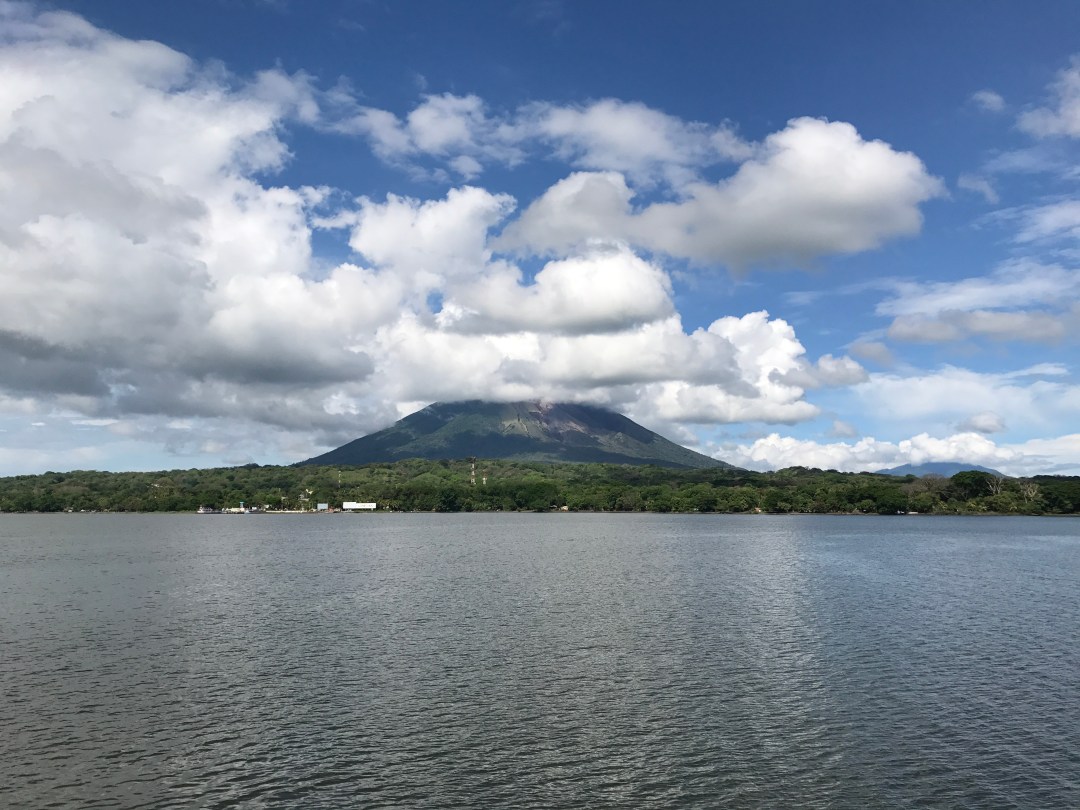
Our mission project in Nicaragua is focused on Ometepe Island in the middle of Lake Nicaragua. Formed out of two volcanoes, this island is home to about 30,000 people—and is a central part of the tourism industry in Nicaragua. As tourism is fickle and dependent on global economies as well as ebbs and flows of seasons, most people—around 90% of the island’s population—does not have full time work, but instead relies on seasonal work related to tourism.
We took our first mission trip to Nicaragua in 2018. Since then, have worked with families to build small businesses that are contextually-appropriate for the needs of the local market. This has included building ovens to produce rosquillas, a biscuit traditionally served with coffee, to purchasing vehicles for delivery of goods around the island, as well as help start up businesses ranging from bread making to hosting tours. Each year we take a mission trip to Nicaragua to continue to look at ways we can help small businesses.
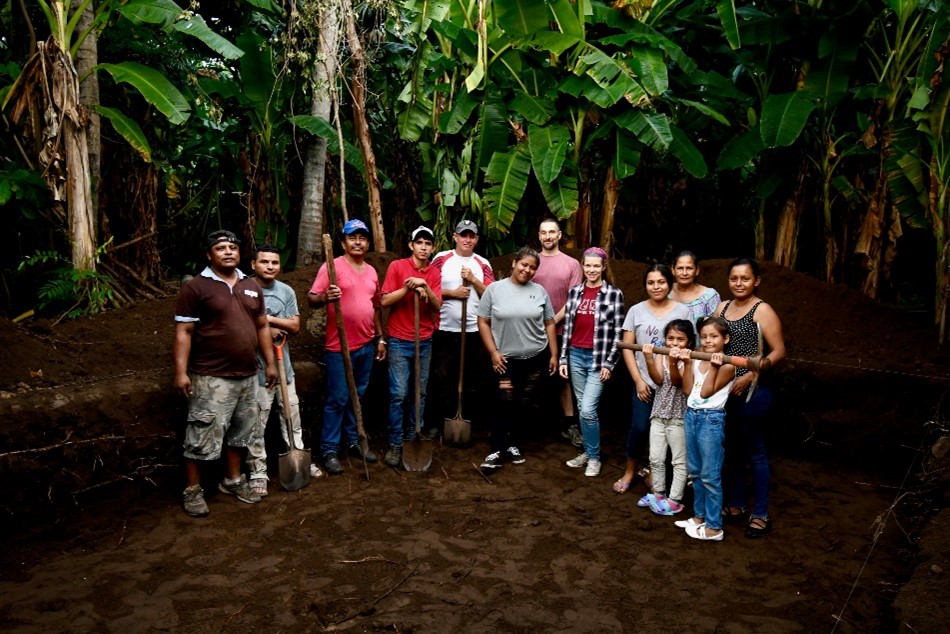

Our most recent mission project in Nicaragua has included building an aquaponics system with a local church. This project, which grows both fish and vegetables within an enclosed system, is a two-fold ministry opportunity. For one, by selling the fish and produce to local restaurants, it will be able to support ministry funds for the local church as they continue to minister in the community in a variety of ways. But it also serves as a learning and training center. As volunteers contribute their time to helping the aquaponics system grow, they also learn how to build and maintain their own that they can use at a household level.
By focusing on livelihoods in Nicaragua, we aim to help keep families together and to realize that hope exists even within their own community and own country.
Check out our other work that we have been part of in Latin America, including Mexico, Costa Rica, and Honduras.
 Fulcrum Missions